Collaborative Efforts Among Developers Altering Bonus Adjustments for Mobile Table Simulations Amid Changing Worldwide Standards
Kirjoittanut Harper Schmidt · 21.11.2026
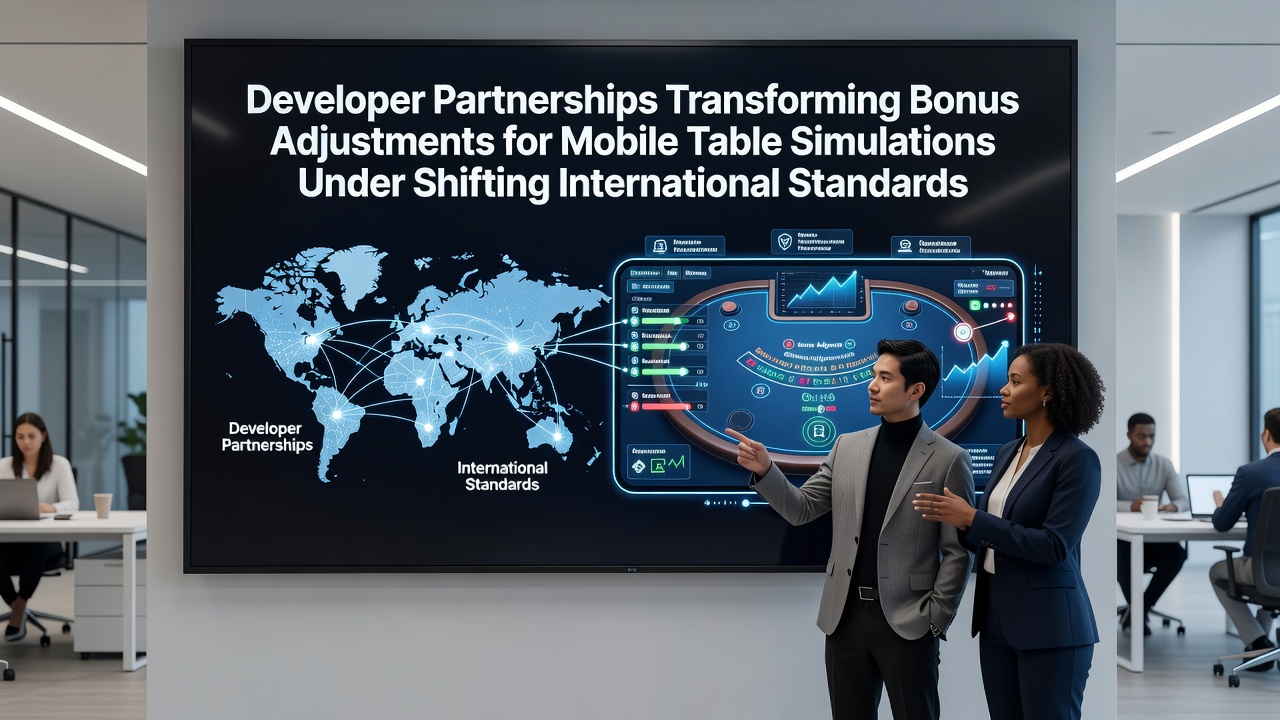
Collaborative Efforts Among Developers Altering Bonus Adjustments for Mobile Table Simulations Amid Changing Worldwide Standards
Developer partnerships have begun reshaping bonus adjustments in mobile table simulations as companies respond to evolving international standards that govern promotional mechanics across regions, and this shift has accelerated since mid-2025 with new compliance requirements emerging in multiple jurisdictions. Research from industry bodies indicates that alliances between software studios and platform operators allow for more precise calibration of bonus parameters in games such as blackjack and roulette variants, where mobile transaction networks introduce variables like currency conversion and cross-border play limits.
Standards bodies in the European Union and parts of Asia have updated guidelines on player incentive frameworks, which in turn prompt developers to recalibrate reward multipliers and eligibility criteria for simulated table environments accessed via smartphones, while data from regulatory filings shows these changes often coincide with updates to responsible gaming protocols that affect how bonuses accumulate during extended sessions.
Partnership Models Driving Structural Changes
Joint ventures between independent studios and larger distribution networks have produced shared frameworks for adjusting bonus pools in mobile table simulations, and observers note that these collaborations frequently incorporate real-time data feeds to monitor regional compliance thresholds. For instance, one alliance involving North American and Australian entities has integrated adaptive algorithms that modify promotional offers based on local licensing conditions, ensuring that bonus triggers align with varying definitions of simulated play activity.
Figures from trade reports reveal that such partnerships reduce duplication in certification processes, which allows teams to focus resources on refining user interfaces for table simulations while maintaining alignment with shifting rules on promotional transparency. And because mobile platforms often operate under multiple overlapping regulations, these cooperative arrangements enable quicker iterations when standards bodies issue revised interpretations.
Regulatory Shifts Influencing Bonus Parameters
International standards have moved toward greater harmonization in areas such as bonus disclosure and payout verification for mobile table games, yet regional differences persist and force developers to maintain flexible adjustment mechanisms. According to information released by the International Gaming Standards Association, protocols effective into late 2026 emphasize audit trails for promotional mechanics that must function consistently across jurisdictions, which has led partnered teams to embed modular code structures capable of toggling bonus rates without full system overhauls.
Canadian provincial regulators and Australian oversight agencies have each introduced separate reporting mandates that affect how mobile table simulations handle time-limited bonuses, and researchers have documented cases where joint development efforts streamlined compliance by pooling expertise on currency-specific reward calculations. This approach has proven useful when standards change mid-cycle, as partnerships allow for distributed testing across simulated environments that mirror diverse regulatory landscapes.
Mobile-Specific Adaptations in Table Simulations
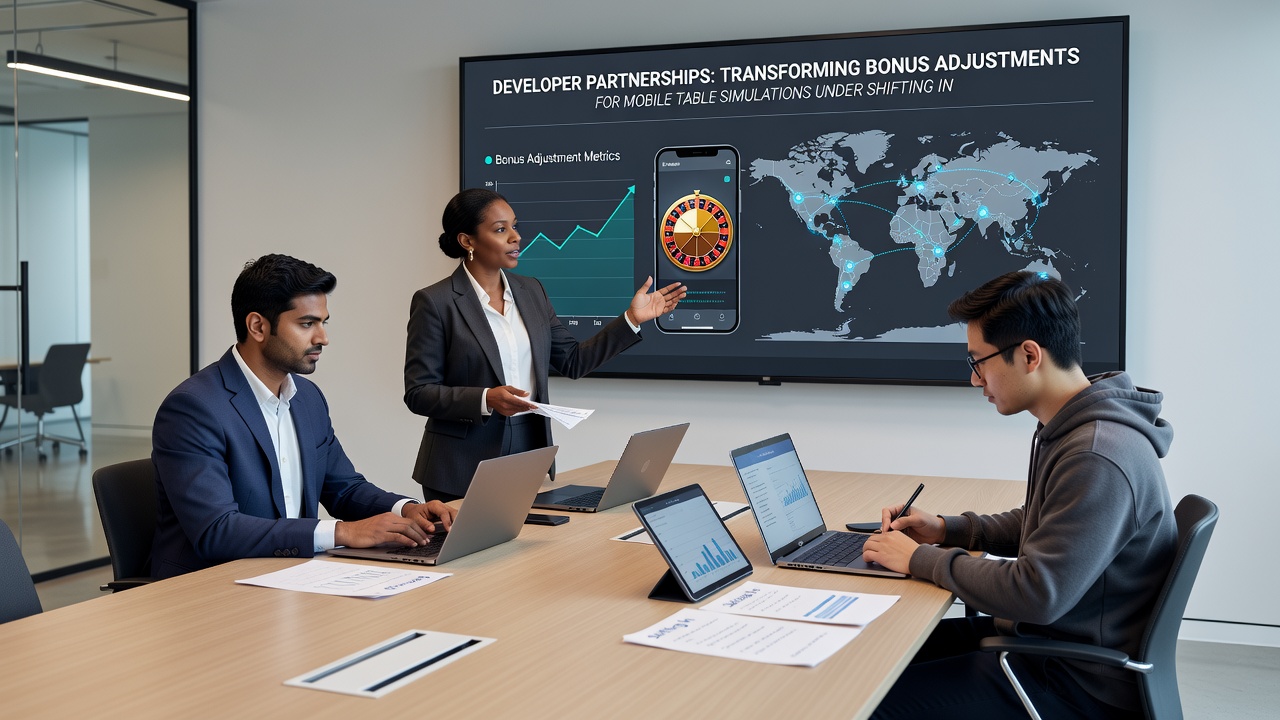
Adjustments to bonus systems in mobile table simulations often center on session tracking and device-based authentication, and partnerships have facilitated the creation of unified dashboards that monitor these elements against multiple international benchmarks simultaneously. Data indicates that developers working together can deploy updates that account for network latency variations common in mobile environments, thereby preserving the intended value of promotional offers even when users switch between regions with differing standards.
One documented case involved a European and Asian collaboration that refined bonus accrual rates for live-dealer style table simulations, incorporating feedback loops from user analytics to ensure alignment with new verification rules slated for rollout in November 2026. Those implementations relied on shared testing environments that simulated cross-border play scenarios, allowing teams to identify and resolve discrepancies before wider deployment.
Regional Examples of Partnership Outcomes
In markets where licensing frameworks have tightened around promotional content, alliances have produced tailored bonus models for mobile table simulations that respect local caps on reward frequency while preserving engagement metrics. Reports from research institutions highlight how North American studio groups have partnered with European counterparts to exchange data on player retention patterns under updated standards, resulting in bonus structures that automatically scale based on jurisdictional inputs.
Similar efforts in the Asia-Pacific region show developers leveraging collaborative platforms to address mobile payment integration challenges, where bonus adjustments must factor in transaction fees and currency fluctuations that vary by territory. These partnerships have yielded documentation practices that satisfy multiple oversight bodies without requiring separate code branches for each market.
Conclusion
Developer partnerships continue to influence how bonus adjustments occur within mobile table simulations as international standards evolve, and the trend points toward increased reliance on shared technical resources for maintaining compliance across borders. Evidence from regulatory updates and industry filings demonstrates that these collaborative models support more responsive systems capable of handling both current requirements and anticipated changes through 2026 and beyond.