Evolving Licensing Frameworks Across Markets Leading to Modifications in Bonus Payouts for Mobile Table Games
Kirjoittanut Riley Brooks · 7.11.2026
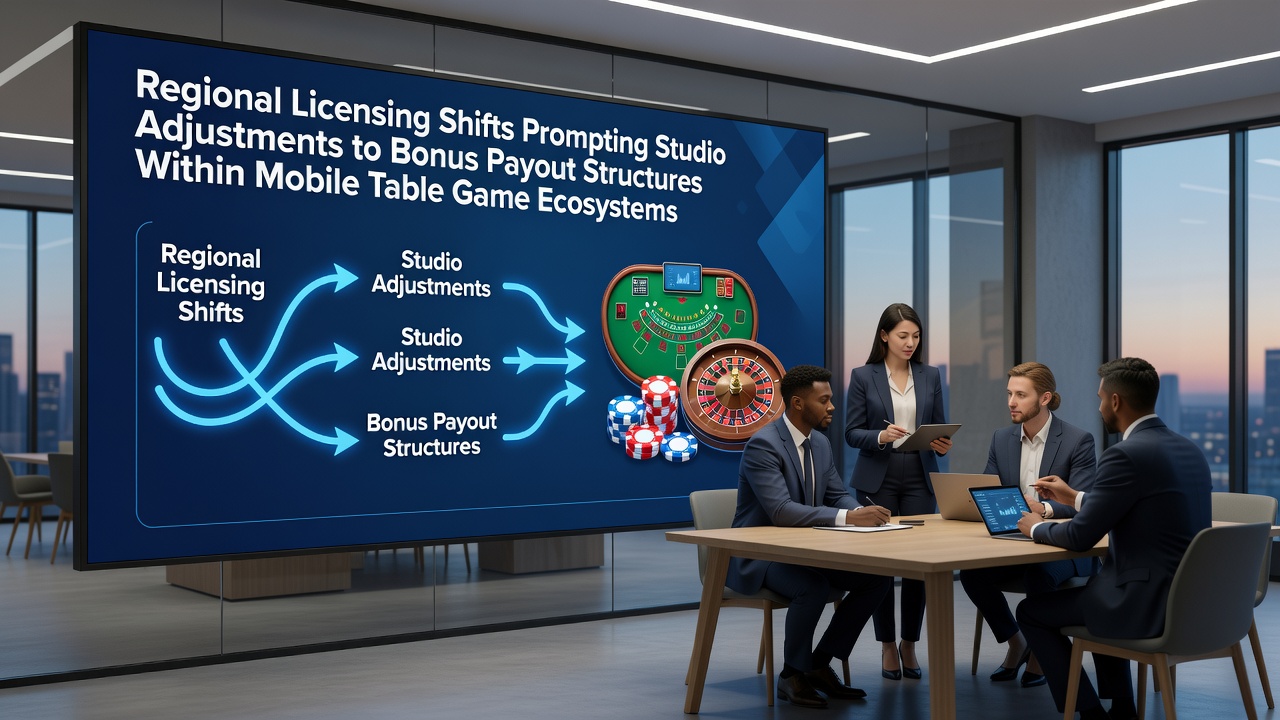
Evolving Licensing Frameworks Across Markets Leading to Modifications in Bonus Payouts for Mobile Table Games
Regional licensing frameworks continue to evolve in ways that directly affect how studios structure bonus payouts within mobile table game ecosystems, and observers note these changes have accelerated since early 2025 as new regulatory requirements emerge in multiple jurisdictions. Studios must adapt payout mechanics to comply with local rules while maintaining player engagement across different platforms, which creates a complex balancing act for developers operating in international markets.
Key Licensing Developments in Major Regions
Data from the European Gaming and Betting Association indicates that several European markets introduced updated licensing criteria in 2025 that cap bonus percentages tied to table game activities, particularly those involving blackjack and roulette variants delivered through mobile applications. These adjustments stem from efforts to align promotional structures with responsible gaming standards, and companies respond by recalibrating reward tiers based on player activity levels rather than fixed deposit matches. Meanwhile, jurisdictions in Asia-Pacific regions have implemented similar restrictions that emphasize transparency in bonus terms, which forces studios to revise how they calculate and display potential returns within app interfaces.
North American regulators also play a significant role in this shift, with Canadian provincial authorities updating mobile gaming guidelines that require clear separation between base game mechanics and promotional bonuses. Research from the International Association of Gaming Regulators shows that compliance deadlines set for late 2026, including those falling in November, will require studios to submit revised payout models for approval before deploying updates to existing table game titles. This timeline creates pressure for developers who maintain simultaneous releases across multiple territories, since a single bonus structure rarely satisfies all regional mandates at once.
Studio Responses to Regulatory Pressures
Game studios address these licensing shifts by implementing modular bonus systems that activate differently depending on user location and applicable rules, which allows the same core table game to function under varied payout frameworks without requiring separate builds for each market. Engineers at several independent developers have integrated geo-detection tools that automatically adjust bonus multipliers, ensuring compliance while preserving the overall player experience. One notable case involves a studio that modified its mobile poker and blackjack offerings to use tiered loyalty rewards instead of upfront bonuses, a change driven by licensing updates in both Australian and South American territories.

Financial data reveals that these modifications often result in lower average bonus values per session, yet overall player retention metrics remain stable when studios emphasize skill-based rewards and progressive jackpots that fall outside strict bonus caps. According to figures compiled by industry analysts, studios that adopted flexible payout engines ahead of the November 2026 deadlines experienced fewer approval delays compared to those relying on legacy structures. The reality is that adaptation requires ongoing monitoring of regulatory announcements, since even minor wording changes in licensing documents can necessitate further tweaks to bonus algorithms.
Impact on Mobile Table Game Ecosystems
Mobile platforms hosting table games now incorporate more sophisticated backend controls to manage regional variations, and this infrastructure supports real-time updates to bonus parameters without disrupting gameplay. Providers integrate these controls into existing live dealer frameworks, which means users in different locations see tailored promotional offers even when accessing the same application. Observers point out that such customization has become standard practice as cross-border operations grow, with payment networks also influencing how bonuses convert into playable credits across currencies and jurisdictions.
Studies tracking user behavior after licensing-driven adjustments find that players adapt quickly to new bonus structures when clear explanations appear within game menus, and engagement levels hold steady when alternative reward paths replace restricted options. Developers continue to test variations in controlled environments before wider rollout, which helps identify potential compliance gaps early in the process. This methodical approach reduces the risk of enforcement actions while allowing studios to maintain competitive positioning in crowded mobile markets.
Conclusion
Regional licensing shifts continue to prompt measurable adjustments to bonus payout structures across mobile table game ecosystems, with studios relying on flexible technology and proactive compliance strategies to navigate the evolving landscape. Information from regulatory bodies and industry groups demonstrates that these changes affect development timelines, payout calculations, and user interfaces in tangible ways. As deadlines approach in November 2026 and beyond, the sector maintains focus on delivering consistent experiences that satisfy both local rules and player expectations through ongoing technical refinements.