Tracing Certification Hurdles for Portable Reel Systems Developed by Independent Studios Under Varying International Licensing Rules
Kirjoittanut Casey Long · 26.9.2026
Tracing Certification Hurdles for Portable Reel Systems Developed by Independent Studios Under Varying International Licensing Rules
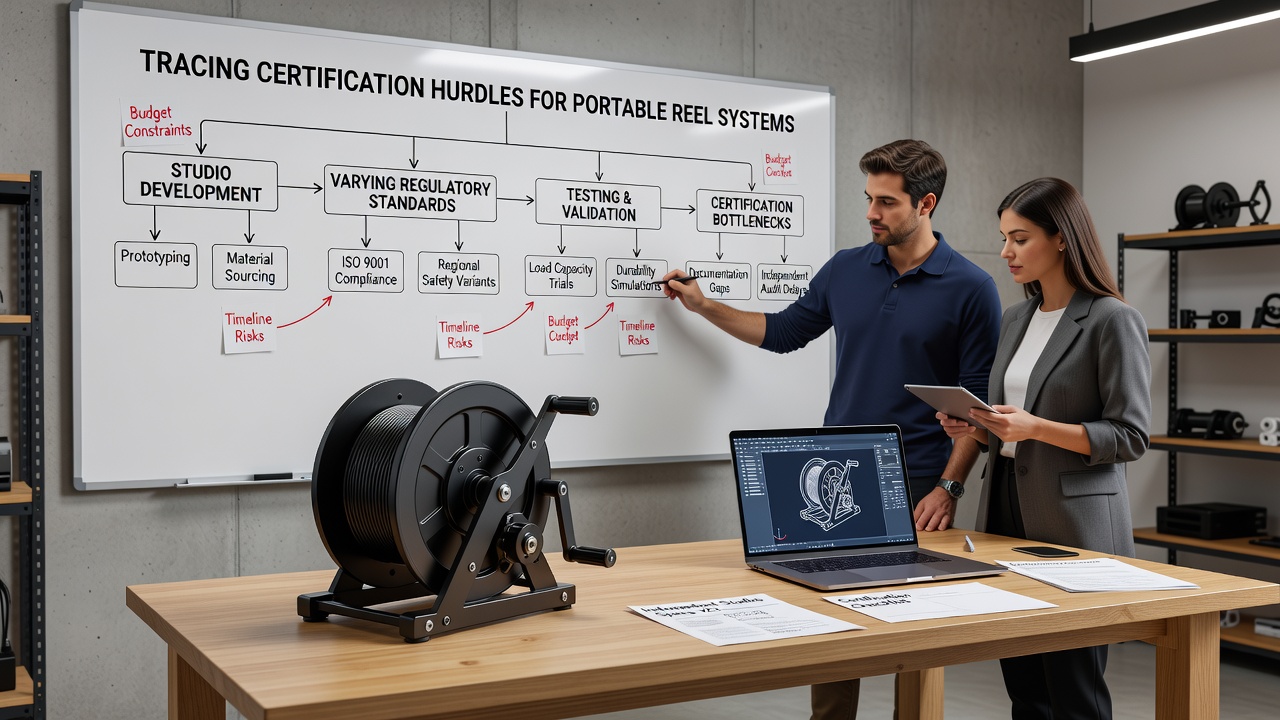
Portable reel systems represent compact gaming devices that independent studios design for flexible deployment across multiple venues, and certification processes for these units involve layers of technical validation plus compliance checks that differ sharply by jurisdiction. Independent developers often encounter extended timelines because each market requires separate evaluations of hardware integrity, software algorithms, and payout accuracy, while licensing rules impose distinct documentation standards and renewal cycles. Research from regulatory bodies shows that testing protocols typically span mechanical durability assessments alongside random number generator audits, creating bottlenecks when studios must coordinate with multiple laboratories simultaneously.
Regional Variations in Technical Standards
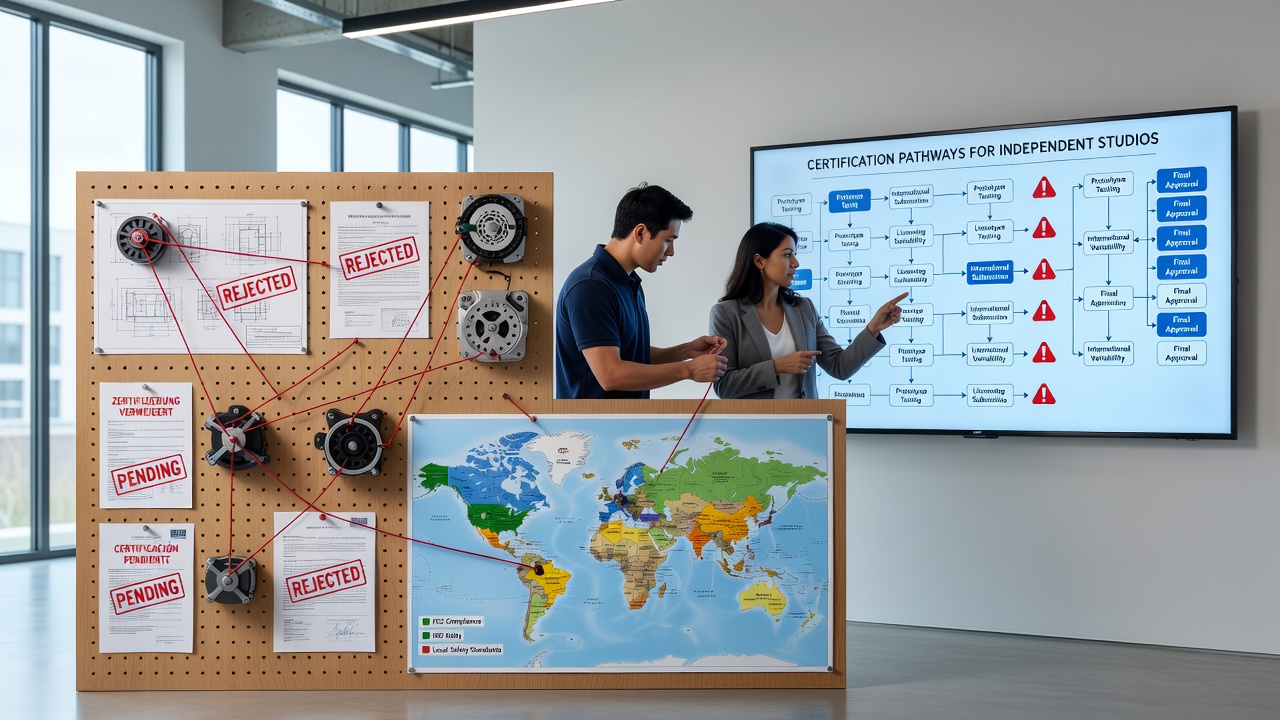
Certification requirements diverge across major markets because authorities prioritize different aspects of device performance and player protection. In North America, for instance, state-level agencies mandate rigorous environmental testing for portable units that operators might relocate frequently, whereas European frameworks emphasize interoperability with centralized monitoring systems. Australian regulators focus on power consumption limits and electromagnetic compatibility for mobile reel equipment, and these distinctions force studios to maintain parallel design versions rather than a single universal model. Data from industry reports indicate that developers spend an average of 18 to 24 months navigating initial approvals when targeting three or more regions at once.
Independent Studio Resource Constraints
Smaller studios frequently lack dedicated compliance teams, which means engineers must handle both product development and the extensive paperwork required for international submissions. Observers note that testing fees alone can exceed several hundred thousand dollars per device when laboratories in separate countries conduct overlapping evaluations, and this financial pressure intensifies because portable systems require additional certifications for transport cases and battery safety. One study revealed that independent teams often delay market entry by nine months or more while awaiting simultaneous clearances, whereas larger firms maintain in-house labs that streamline portions of the process.
September 2026 Regulatory Shifts
Beginning in September 2026, several jurisdictions plan to introduce updated interoperability protocols that could affect portable reel systems seeking cross-border licenses. These changes include revised data encryption thresholds and new requirements for remote diagnostic access, prompting studios to retrofit existing designs well in advance. Authorities in multiple regions have signaled that devices lacking the forthcoming interface standards will face restricted licensing windows, and independent developers are already adjusting firmware architectures to accommodate the transitions without disrupting ongoing certification applications.
Licensing Documentation and Audit Trails
International licensing rules demand comprehensive audit trails that track every software update and hardware modification throughout a device's lifecycle. Independent studios must supply source code reviews, supplier declarations, and field performance logs to satisfy each authority, yet formatting expectations vary enough to require repeated translations and reformatting. Figures from regulatory submissions reveal that incomplete documentation accounts for roughly 40 percent of initial application rejections, forcing teams to resubmit materials and extend project timelines further. Those who've managed multiple certifications report that maintaining a centralized database of compliance records helps reduce duplication, although regional authorities still insist on native-language versions of key reports.
Testing Laboratory Coordination
Portable reel systems undergo evaluation at accredited laboratories that specialize in gaming hardware, yet availability of these facilities differs by region and creates scheduling conflicts for independent developers. Laboratories in the United States and Canada often operate at capacity, while facilities in Asia-Pacific markets offer shorter lead times but apply distinct calibration standards. Studios therefore sequence their submissions strategically, beginning with jurisdictions that accept test results from foreign labs under mutual recognition agreements. This approach reduces redundant testing, although some authorities continue to require supplementary local verification before granting final approval.
Conclusion
Certification pathways for portable reel systems from independent studios remain shaped by the interplay of technical specifications, documentation demands, and jurisdiction-specific licensing frameworks. As September 2026 approaches, emerging protocol updates will add further dimensions to these processes, requiring proactive adaptation from developers who target international markets. Observers continue to monitor how mutual recognition expansions and standardized testing formats might ease some burdens, while current patterns show that thorough preparation and phased submission strategies offer the most reliable routes through the existing regulatory landscape.